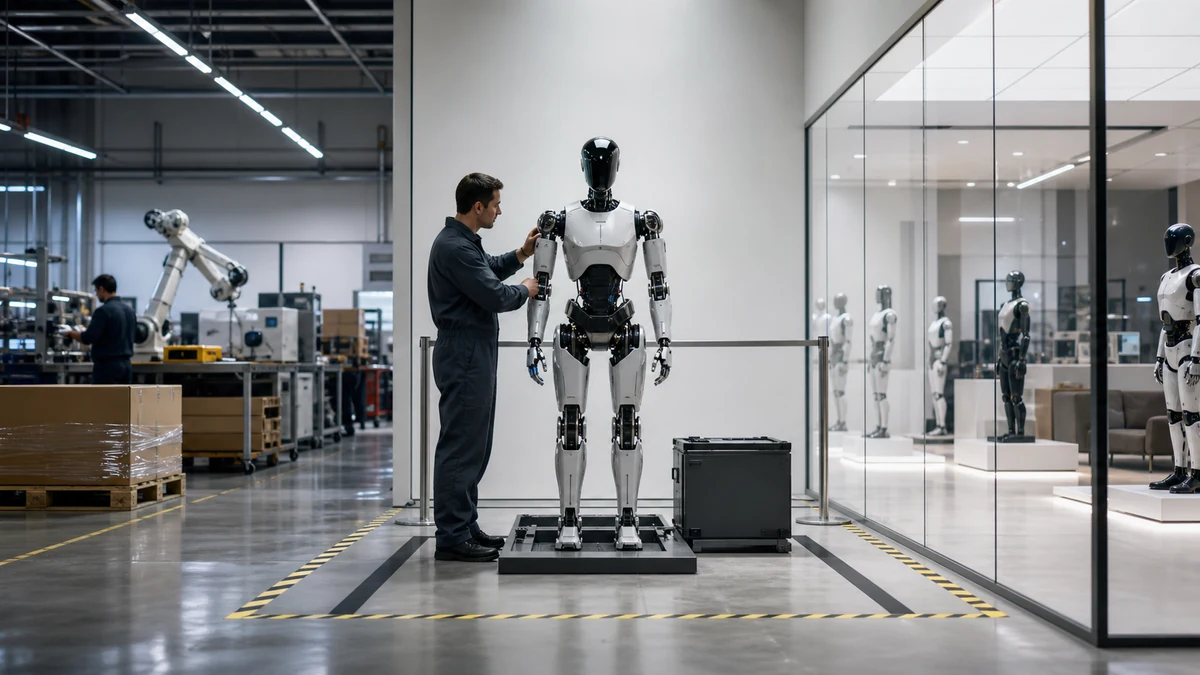
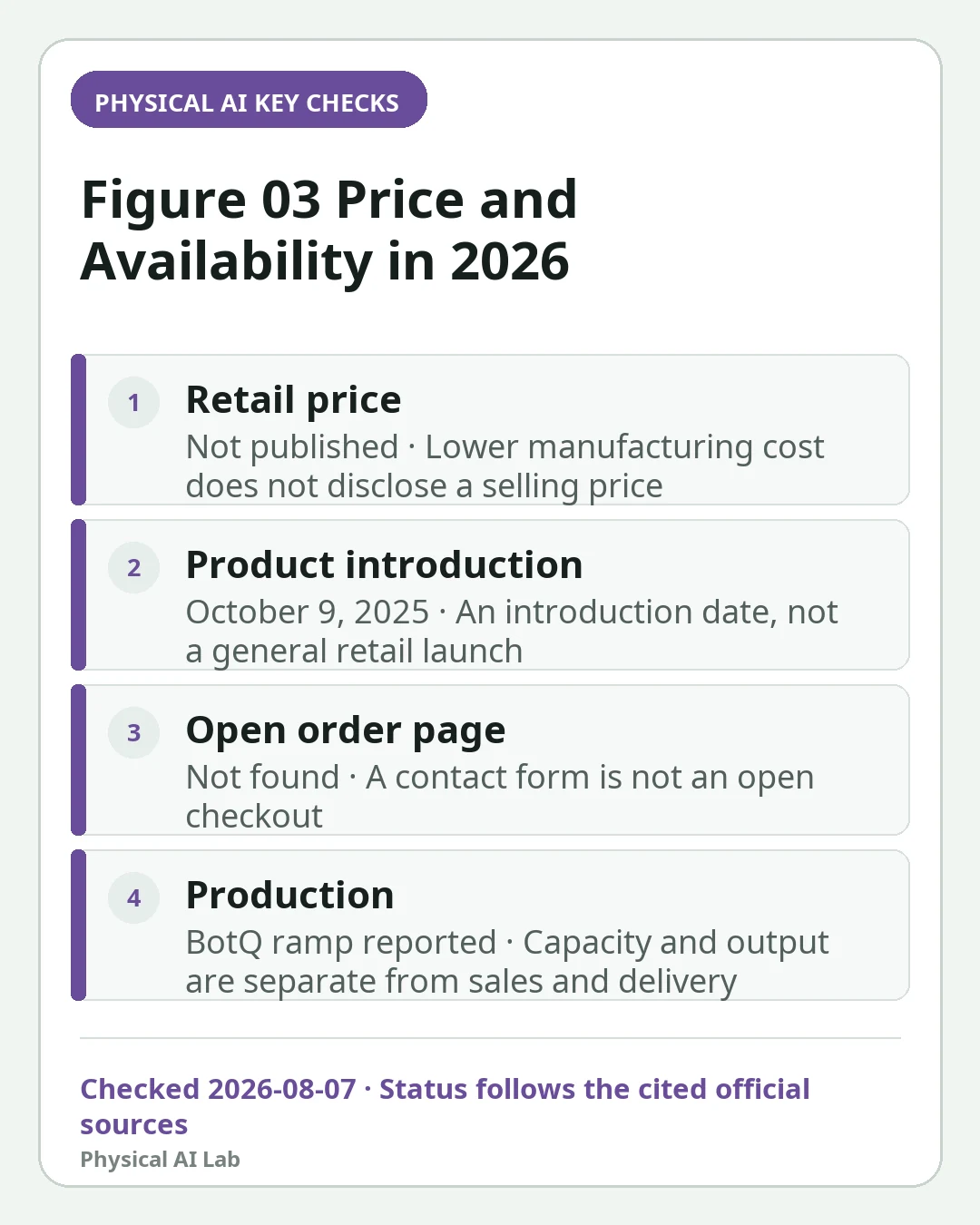
The direct answer is that Figure 03 is a public product, but it is not an openly orderable retail product. As of August 7, 2026, the official Figure 03 page lists specifications and intended uses but no price, buy button, reservation flow or general-sale date.
Figure's reports of more than 350 third-generation robots and a one-robot-per-hour cycle are meaningful manufacturing evidence, not public sales totals. Pair this availability check with the Figure 03 BMW task analysis and the humanoid robot price guide before comparing it with products that have published prices.
Price, release and ordering status in August 2026
The official Figure 03 product page publishes a height of 5 feet 8 inches, 20 kg payload, 61 kg weight, five-hour runtime and 1.2 m/s speed. It does not publish a retail price or provide a cart, deposit or reservation function.
Price undisclosed does not mean the robot does not exist. The product and manufacturing activity are public, while the commercial terms needed for a general buyer to compare price, configuration and delivery are not publicly posted.
| Question | Official public status | Correct interpretation |
|---|---|---|
| Retail price | Not published | Lower manufacturing cost does not disclose a selling price |
| Product introduction | October 9, 2025 | An introduction date, not a general retail launch |
| Open order page | Not found | A contact form is not an open checkout |
| Production | BotQ ramp reported | Capacity and output are separate from sales and delivery |
| Status checked | August 7, 2026 | Terms may change after this date |
October 9, 2025 was the introduction, not a retail release
Figure's Figure 03 introduction dated October 9, 2025 presents its third-generation humanoid as redesigned for Helix, homes and mass manufacturing. It does not state a consumer price, reservation date or first general-customer shipment date.
Introduced, unveiled, shipping and available to order describe different milestones. The evidence supports a product reveal and expanding internal and commercial-use production; it does not support rewriting that date as an open retail release.
BotQ's 12,000-per-year figure is designed capacity
Figure's BotQ announcement says its first-generation manufacturing line will be capable of producing up to 12,000 humanoids per year. It also describes MES, PLM, ERP and WMS infrastructure plus in-house assembly of critical systems.
Up to 12,000 is a line-capability target under assumed operating conditions. Actual annual output depends on utilization, component supply, yield, rework, engineering changes, demand and acceptance, so it is not evidence that 12,000 units have already been built or sold.

What the 350 robots and one-per-hour update actually show
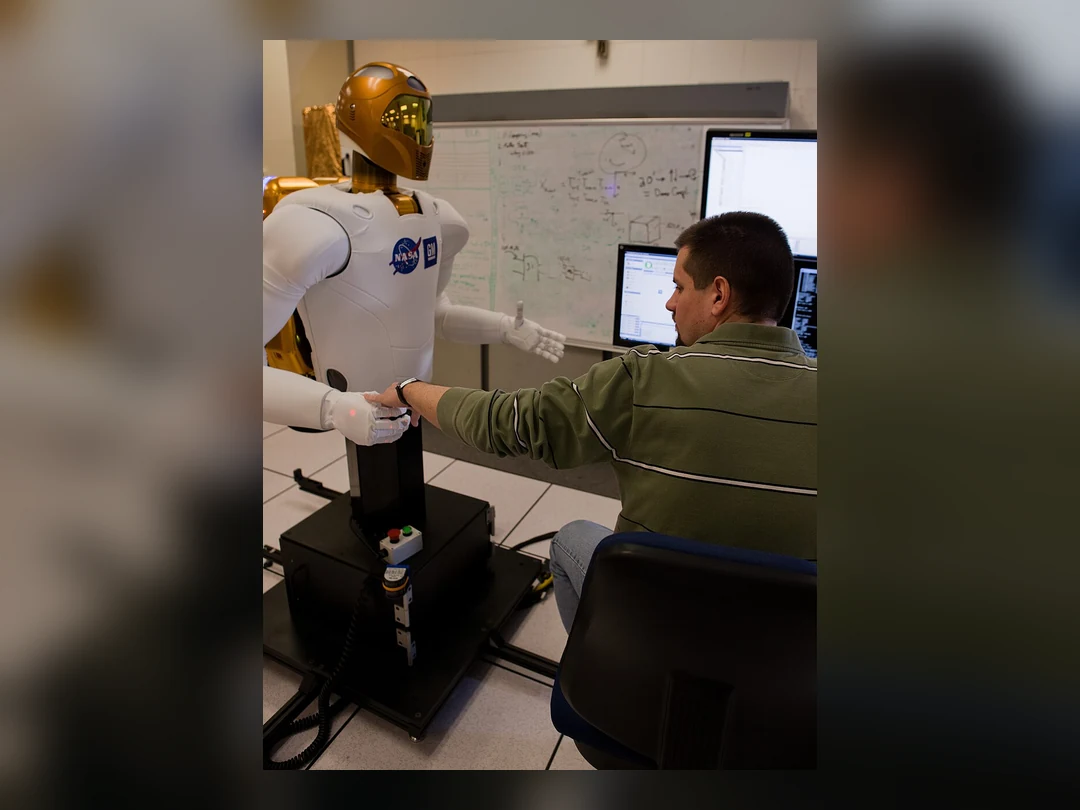
In its April 29, 2026 production ramp update, Figure says it delivered more than 350 third-generation humanoids and raised its production rate from one per day to one per hour. The body says it successfully demonstrated the one-robot-per-hour cycle time, which is not the same as continuous 24/7 operation.
The same company report gives end-of-line first-pass yield above 80%, battery-line first-pass yield of 99.3%, more than 500 battery packs, more than 9,000 actuators and over 80 functional tests per robot. These are company-reported manufacturing indicators, not independently audited field-reliability data.
| Reported metric | What it supports | What it does not prove |
|---|---|---|
| More than 350 robots | Scale of third-generation robot delivery | That all were paid external-customer sales |
| One robot per hour | Demonstrated target cycle time | 24/7 production or 8,760 annual units |
| Above 80% first-pass yield | Share passing end-of-line without rework | Lifetime reliability or field failure rate |
| More than 80 functional tests | A pre-sign-off verification process | Certification for every deployment environment |
A produced robot is not automatically a sold robot
The ramp update says robots leaving BotQ are allocated to internal research and development, data collection, end-to-end housework efforts and commercial use-case development. It mentions customer sites and residential homes, but it does not classify all 350-plus units as paid external deliveries.
The figure is therefore evidence of manufacturing and fleet maturity, while paid customer count, contracted units, repeat orders, uptime and service-level performance remain separate disclosures. Buyers should request those facts during commercial diligence.
What a buyer should verify before a public price appears
An enterprise should request the exact use case, minimum order quantity, pilot fee, hardware and software configuration, integration and charging costs, site safety work, insurance, warranty, spare parts and response times in writing. A home buyer should not treat an unofficial reseller offer or deposit request as an authorized sale before Figure publishes ordering, returns, warranty and privacy terms.
A demonstration also covers only part of deployment performance. Use the humanoid robot video evaluation guide to check continuity, teleoperation, failures, task speed and repeat success. If Figure publishes a price or order page, recheck the date, configuration, taxes, freight and service coverage.
| Diligence area | Written evidence to request |
|---|---|
| Price | Separate hardware, software, service, integration and charging costs |
| Delivery | Country, estimated date, minimum quantity, pilot versus fleet commitment |
| Performance | Repeat success, speed, intervention rate and uptime on the buyer's task |
| Safety and support | Site assessment, emergency stop, warranty, spares and response time |
| Data | Storage location and rights for video, audio and remote-support data |
Frequently asked questions
What is the official Figure 03 price?
Figure had not published a retail price on its official product or news pages as of August 7, 2026. Lower build cost and company valuation do not provide a defensible product selling price.
Can an individual order Figure 03 now?
No official page was found where the general public can select a configuration, pay and arrange delivery. A corporate contact form alone does not establish consumer availability.
Does one robot per hour mean 8,760 robots per year?
No. Figure reported demonstrating a one-hour cycle time. Annual output also depends on operating hours, yield, component supply, maintenance and demand, so multiplying by every hour of the year would be an unsupported forecast.
Official sources checked
- Figure 03 official product page
- Figure — Introducing Figure 03
- Figure — BotQ manufacturing facility announcement
- Figure — Ramping Figure 03 Production
2026-08-07