GIFT and the action-sufficiency gap in robot policy features
GIFT tests geometry, interaction and goal supervision for robot policy features. Learn how to diagnose the missing information and separate training gains from inference changes.
English articles about robot foundation models at Physical AI Lab.
GIFT tests geometry, interaction and goal supervision for robot policy features. Learn how to diagnose the missing information and separate training gains from inference changes.
Read the EmbodiedSkills planner, guarded runtime and verifier architecture against its 5,000-episode controlled comparison with skill-sequence replay.
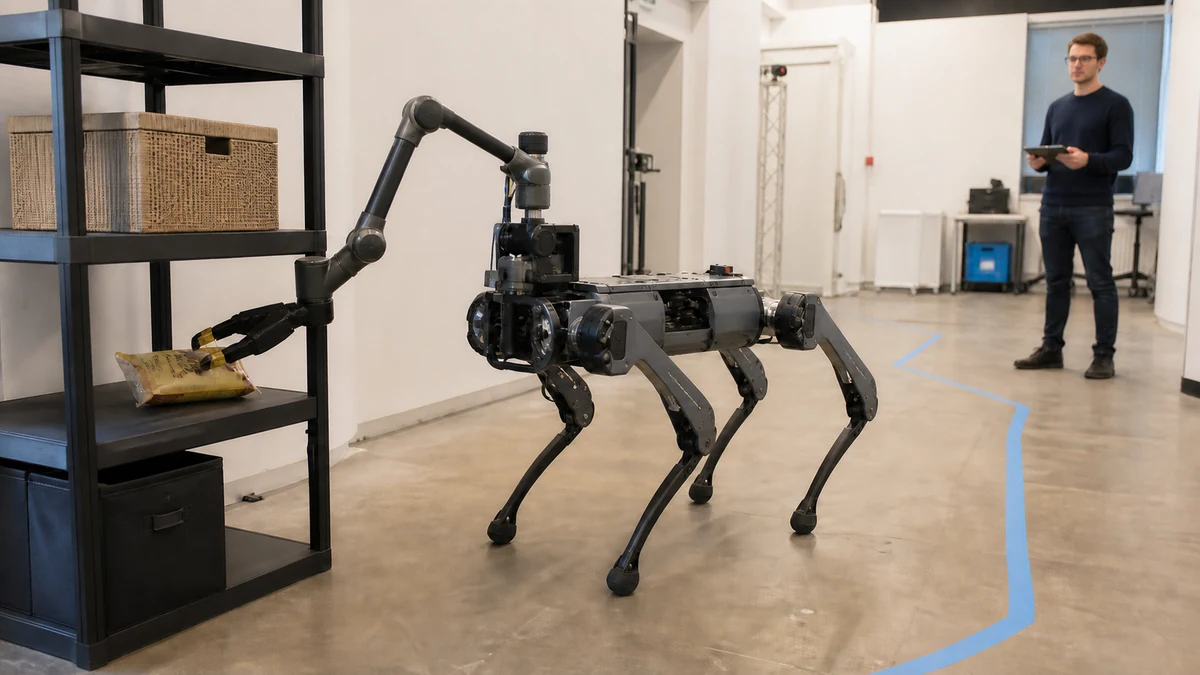
Google demonstrated Gemini Robotics ER 2 orchestrating Boston Dynamics Spot navigation and manipulator APIs to fetch popcorn from a natural-language request. The demo illustrates high-level planning and progress monitoring, not a new commercial Spot integration.
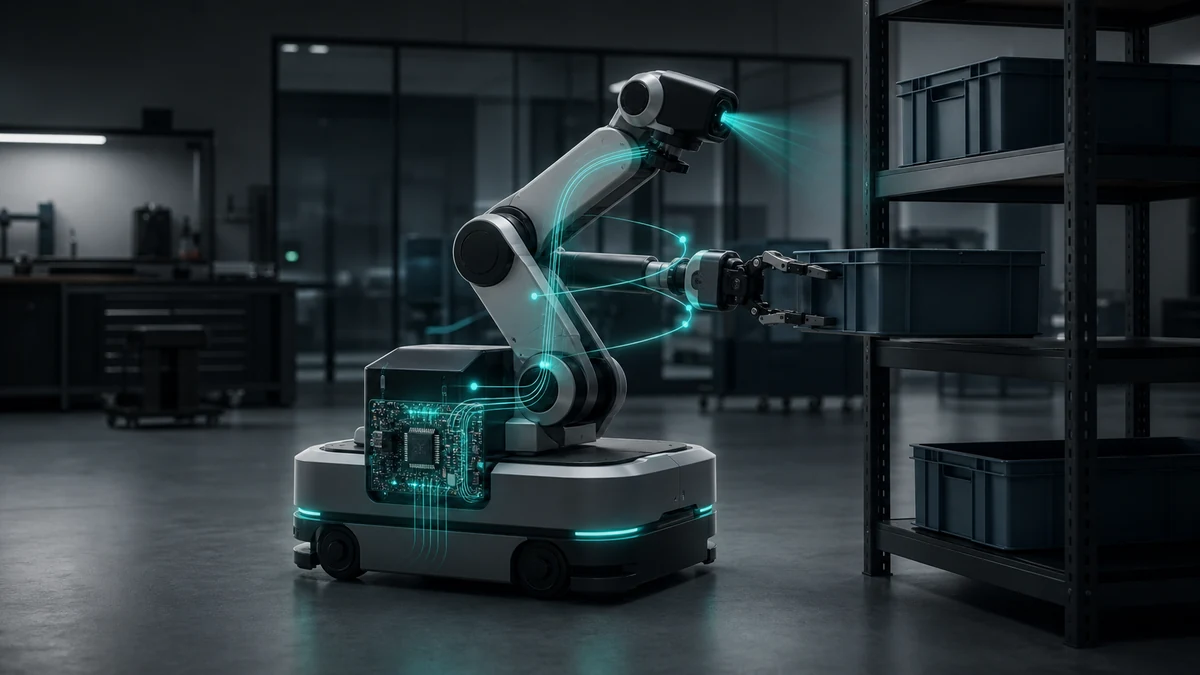
Gemini Robotics On-Device 2 is Google’s local vision-language-action model for producing numerical robot actions from instructions, images and robot state. It is a trusted-tester model, not a generally available download or API.
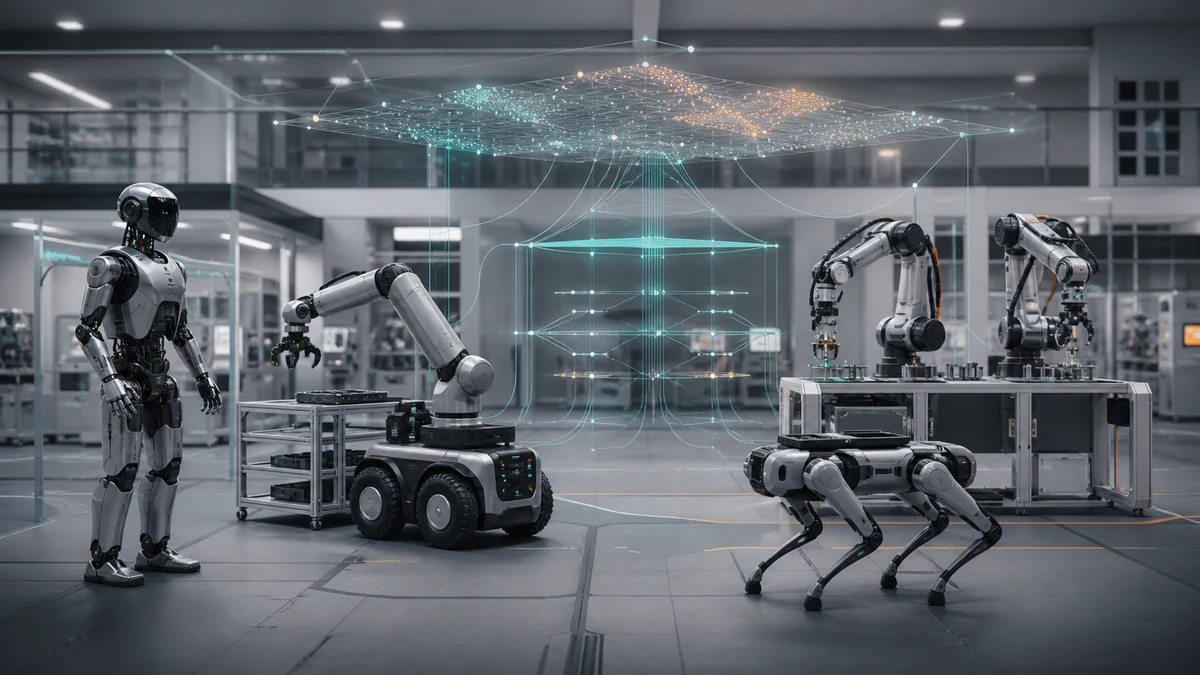
Google’s physical AI strategy now spans a cloud-accessible reasoning model, a local action model and research collaborations across several robot forms. The pieces are complementary, but they are not one turnkey robot platform.
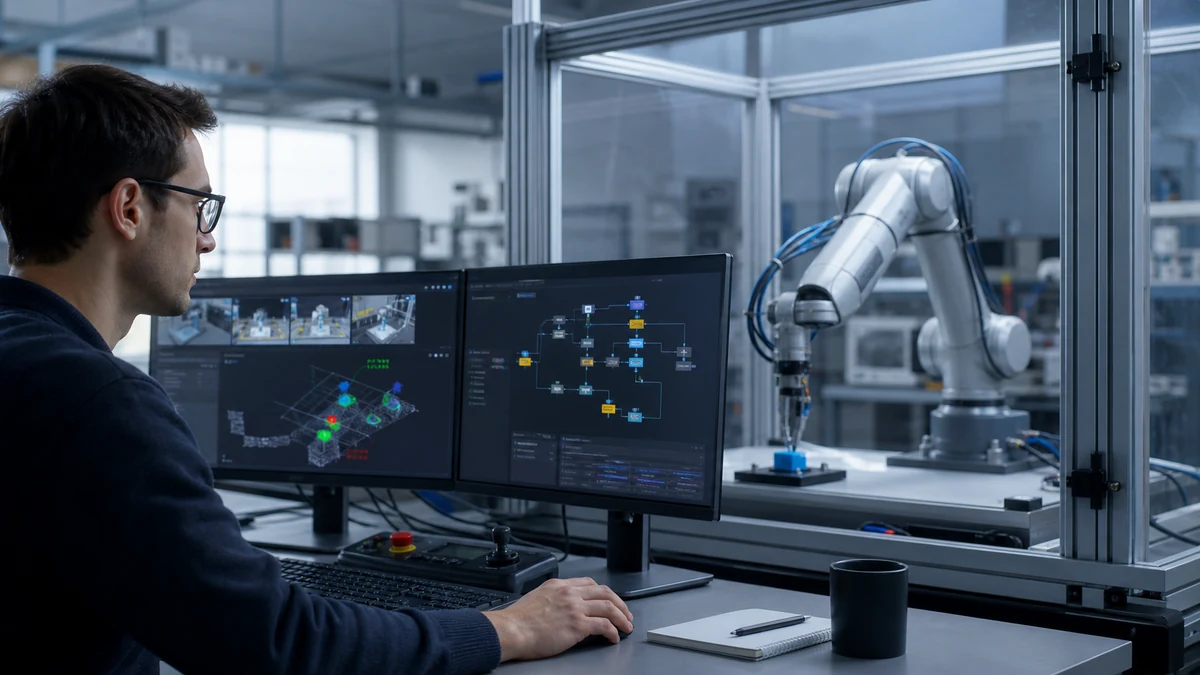
Gemini Robotics ER 2 has standard and streaming public-preview endpoints. Both have free tiers; paid usage was listed at $2 per million input tokens and $10 per million output tokens on August 6, 2026, with important differences in tools, data use and deployment design.
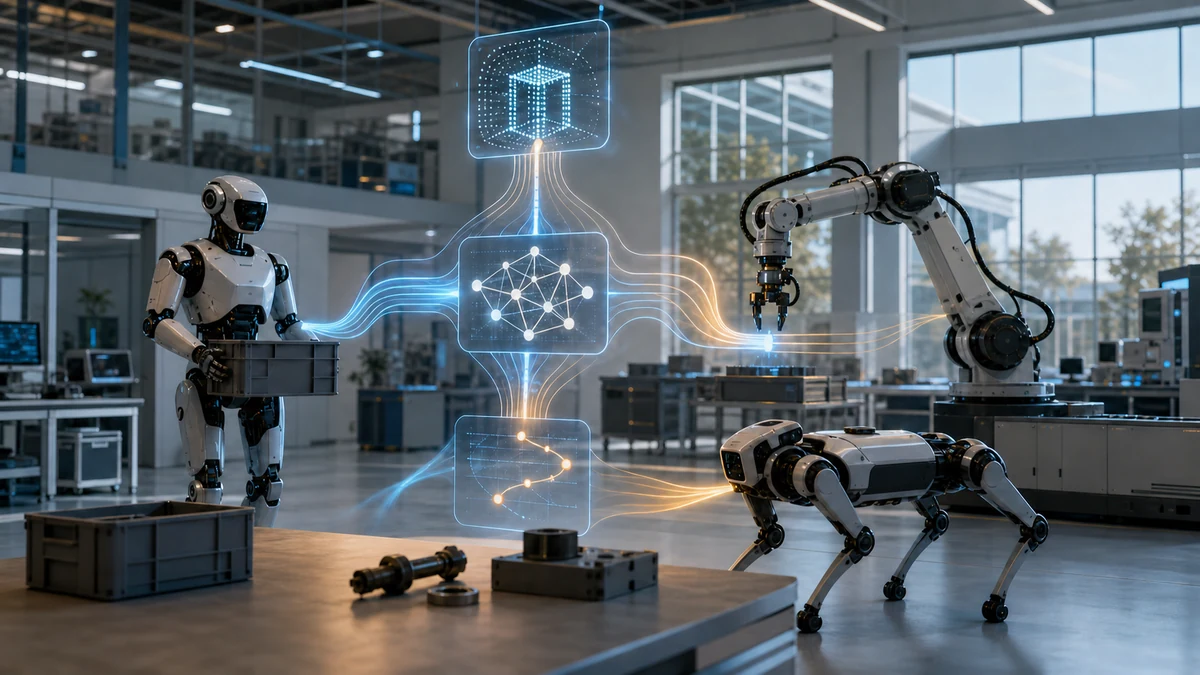
Gemini Robotics ER 2 is Google’s new high-level vision-language model for planning, tool use and progress monitoring in robot workflows. It is a public-preview orchestration layer, not a motor-control model or a finished robot product.
Learn NVIDIA Isaac GR00T N1.7 architecture, data format, embodiment tags, fine-tuning, inference, evaluation and hardware validation.
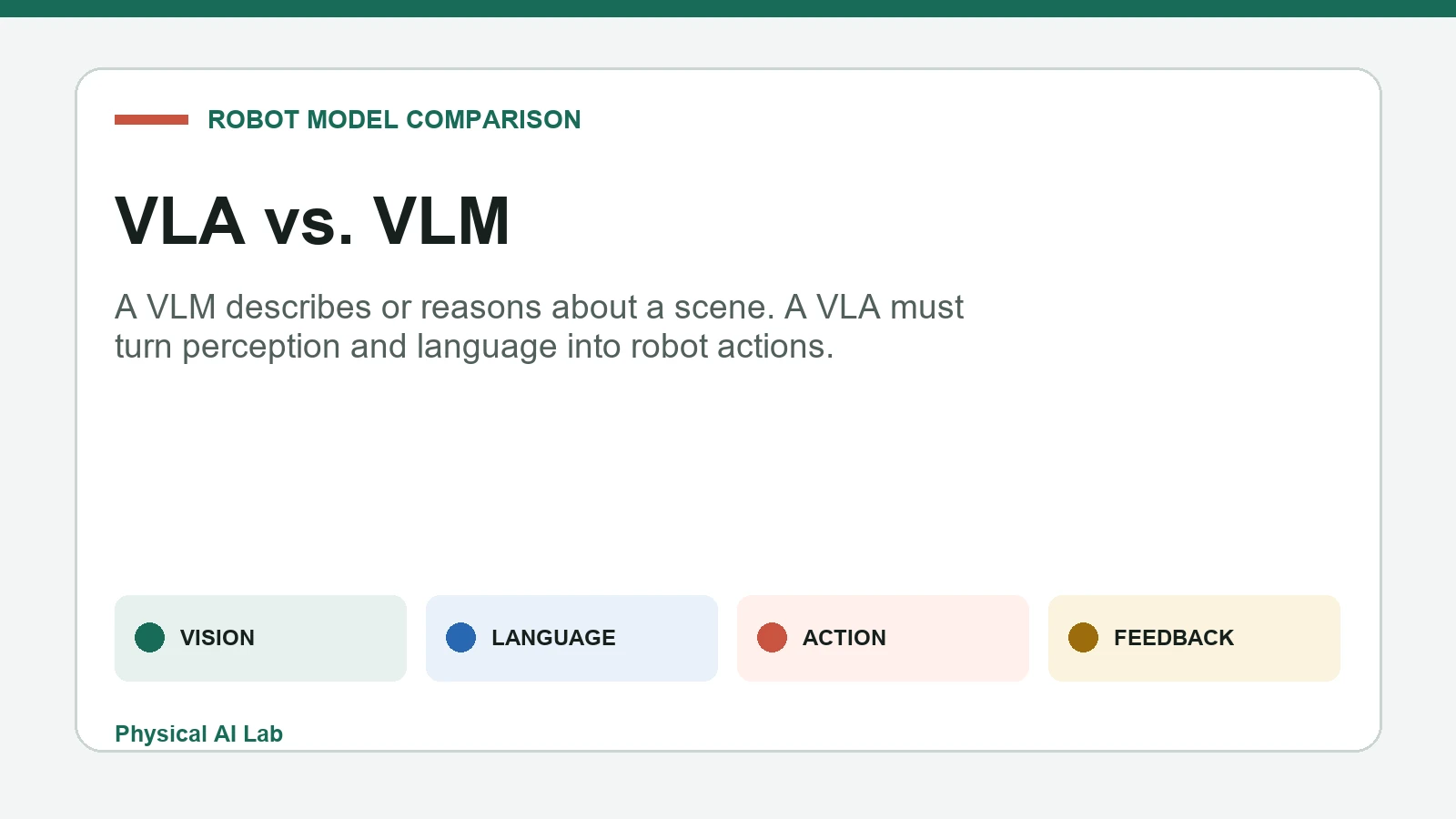
Compare VLA and VLM models in robotics, including outputs, action data, feedback, embodiment, evaluation and the limits of autonomy claims.
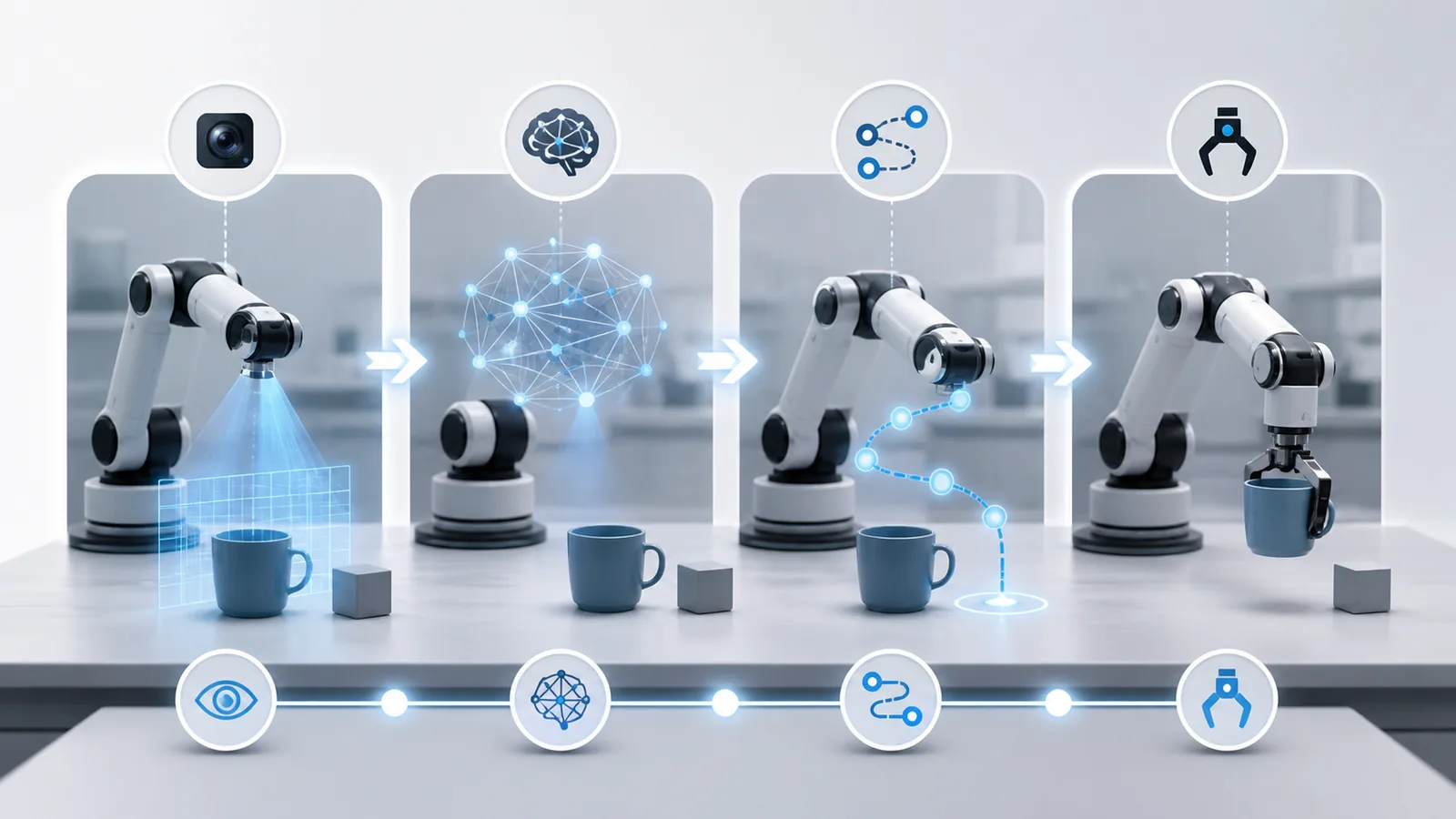
Understand vision-language-action models in robotics: architecture, training data, action representations, evaluation, limitations and deployment checks.