Robotics as a Service, or RaaS, is a recurring commercial arrangement in which a provider supplies robot hardware together with some combination of deployment, software, monitoring, maintenance and performance support. The provider often retains hardware ownership, but contracts differ. The label alone does not define price, risk or service quality.
RaaS is broader than short-term rental when it transfers operating responsibilities and connects payment to an ongoing service. A customer may pay per month, robot, operating hour, task or unit of output. Minimum terms, site preparation, integration, consumables and human exception work can sit outside the headline rate.
Evaluate RaaS as a responsibility contract. Define who owns the hardware, prepares the site, integrates software, handles exceptions, performs maintenance, secures data and bears the cost when throughput falls. Only then compare the cash flow and risk with purchase, lease or conventional automation integration.
RaaS combines an asset with an operating service
A robot rental can provide equipment while leaving integration and operations to the customer. The International Federation of Robotics tracks provider-owned hardware models within its service-robot reporting, while individual offers may add integration, monitoring, maintenance, spares and performance commitments.
Write the included service stack in the contract. Names such as subscription, automation as a service and managed robotics are used inconsistently. Compare obligations and performance definitions rather than relying on the marketing term.
Pricing can be fixed, usage-based or outcome-linked
A fixed monthly rate makes budgeting simple but may include minimum terms and fleet sizes. Usage models charge by hours, tasks or transactions. Outcome-linked pricing can align incentives, but the measured unit and exclusions become critical. A hybrid may combine a base fee with variable volume.
Model the total payment under ordinary, peak and low demand. Include onboarding, integration, site changes, network, charging, consumables, taxes, travel, manual exception labor and early termination. A low monthly robot price can hide significant customer-owned operating work.
| Pricing model | Customer benefit | Key risk | Contract question |
|---|---|---|---|
| Per robot/month | Predictable bill | Paying for idle capacity | Minimum fleet and term |
| Per operating hour | Tracks utilization | Disputes over counted time | What pauses the clock |
| Per task/unit | Links price to output | Quality and exception ambiguity | What counts as completed |
| Outcome-based | Shares performance risk | Complex baseline | How savings are verified |
Ownership does not eliminate customer responsibilities
Provider ownership may shift financing, residual value and major repairs. The customer still controls the site, workflow, people, inventory and often local safety process. Poor Wi-Fi, blocked aisles or inaccurate WMS data can reduce service even when the robot is healthy.
Create a responsibility matrix for hardware, site readiness, charging, network, access control, operator training, incident response and consumables. Define dependencies so the provider cannot be penalized for an unavailable site and the customer is not charged for provider-controlled downtime.
Service levels need precise measurement boundaries
Uptime may mean powered on, connected, available for assignment or completing productive work. Each definition produces a different number. Throughput may exclude blocked upstream stations, product exceptions or scheduled maintenance. The service-level agreement should state numerator, denominator, clock and exclusions.
Include response and restoration targets, planned maintenance windows, severity levels and service credits. Credits do not replace business continuity, so define spare capacity, manual fallback and data access during an outage. Review the SLA against the financial cost of lost production.
Deployment and integration remain major cost centers
Even provider-owned robots need mapping, safety assessment, workflow changes, WMS or MES interfaces, acceptance testing and worker training. Repeatable products can reduce this work, but every facility has physical and IT differences. Determine which integration is standard and which becomes a paid change order.
A warehouse picking deployment may combine storage, AMRs, manipulators and verification. A service for one component cannot guarantee end-to-end output unless the provider controls or coordinates the other bottlenecks. Map the system boundary before accepting a throughput commitment.
Maintenance and software should have lifecycle terms
Specify preventive service, remote diagnostics, spare parts, consumables, battery replacement and on-site coverage. State whether software updates are mandatory, how changes are validated and whether older workflows remain supported. Cybersecurity patching and credential management belong in the operating plan.
Ask what happens when a product reaches end of support or the provider changes hardware. Migration, data export and site restoration can be expensive. An exit plan is part of service quality even when the relationship is expected to continue.
Operational data is part of the bargain
Fleet telemetry can improve maintenance, workflow and physical AI models. Contracts should separate customer operational data, robot diagnostics, video, derived statistics and learned models. Define collection purpose, retention, location, access, anonymization and deletion.
Remote support may expose workers, products or facility layouts. Apply least-privilege access and incident notification. The customer should know which data remains available at contract end and whether disabling optional learning affects service or price.

The responsibility map turns promises into obligations
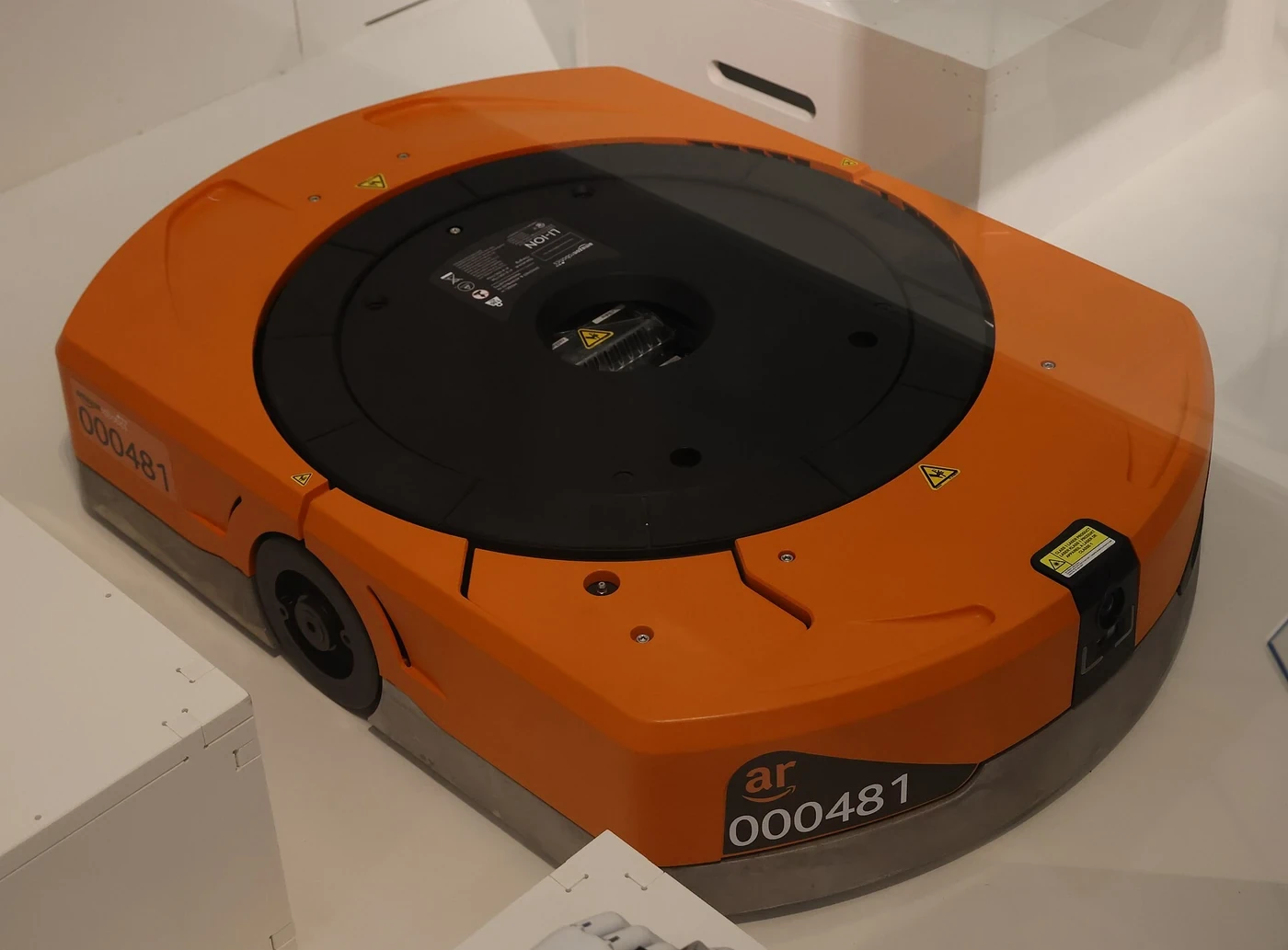
Hardware and financing, deployment and integration, operations, maintenance and software, and performance and data form the five contract areas. Assign one accountable party and acceptance evidence to each. Shared obligations need escalation rules rather than vague cooperation language.
Use the card during vendor comparison. Two monthly prices are not comparable if one includes site integration and guaranteed restoration while the other provides hardware and a remote help desk. Normalize the scope before calculating total cost.
Buying can be better for stable long-term use
Purchase may produce lower lifetime cost when utilization is high, the task is stable and the customer can maintain the system. It also provides more control over hardware, software and data. The tradeoff is upfront capital, integration risk, obsolescence and the need for internal expertise.
RaaS can be attractive when demand varies, technology changes quickly or the provider can operate a repeatable service more efficiently. Compare net present cost, capacity flexibility and risk—not accounting labels alone. Tax and capitalization treatment depends on jurisdiction and contract substance; obtain professional advice.
| Decision factor | RaaS may fit | Purchase may fit |
|---|---|---|
| Demand | Variable or uncertain | High and stable |
| Internal capability | Limited robotics support | Strong engineering and maintenance |
| Technology change | Rapid, provider-managed | Stable standardized platform |
| Customization | Moderate repeatable workflow | Deep proprietary integration |
| Data control | Contractually acceptable sharing | Strict internal ownership |
Ten questions create a comparable proposal
Ask who owns hardware, what the price unit includes, which site work is excluded, how acceptance is measured, how uptime is calculated, who handles exceptions, what maintenance response applies, who controls data, how upgrades work and what happens at exit. Require answers in the proposal and contract schedule.
Then model ordinary and stressed scenarios. Include peak demand, low utilization, a multi-day outage, product assortment change and provider transition. A robust RaaS decision remains acceptable across those scenarios rather than depending on the best-case demonstration.
- Define ownership and term.
- Normalize included deployment scope.
- Make SLA formulas explicit.
- Assign exception and safety roles.
- Secure data and exit rights.
Frequently asked questions
Are RaaS and robot rental the same?
Not always. Rental may provide equipment only. RaaS usually includes recurring software, monitoring, maintenance or performance responsibilities, but the contract controls.
Is RaaS always treated as operating expense?
No. Accounting and tax treatment depends on jurisdiction and contract substance, including control and ownership. Obtain advice for the specific agreement.
Is RaaS always cheaper than buying robots?
No. It can reduce upfront cost and transfer risk, while a high-utilization stable deployment may cost less through purchase over its lifetime.
Can humanoid robots be offered as RaaS?
Yes. The model can apply to any robot, but early humanoid services need especially clear task scope, intervention, safety, maintenance and performance terms.
What is the most important SLA metric?
Use productive availability and completed output with quality, not merely powered-on time. The formula and exclusions must match the business process.
Commercial and Contract Note
RaaS offers, prices and legal terms change and vary by jurisdiction. Verify the current proposal and obtain technical, legal, accounting, cybersecurity and safety review before signing a contract.