자율 광산 트럭이 처음 도입되던 시기에는 한 대가 정해진 haul route를 운전자 없이 반복하는지가 중심 질문이었다. 오늘 Caterpillar의 AHS를 이해하려면 시선을 truck에서 site로 옮겨야 한다. 도로와 교차로, load·dump point, staffed vehicle, maintenance routing, communication과 map change가 하나의 operating system처럼 움직여야 fleet throughput과 안전이 나온다.
따라서 신형 자율 truck과 기존 fleet retrofit의 비교도 차량 가격표로 끝나지 않는다. site infrastructure, conversion downtime, mixed-fleet training, control room, network·map maintenance와 acceptance를 같은 기간·tonne 기준으로 계산해야 한다. Caterpillar가 제시하는 생산성·비용 개선 수치는 공급사 주장이고 site별 geology·fleet·baseline을 대체하지 않는다.
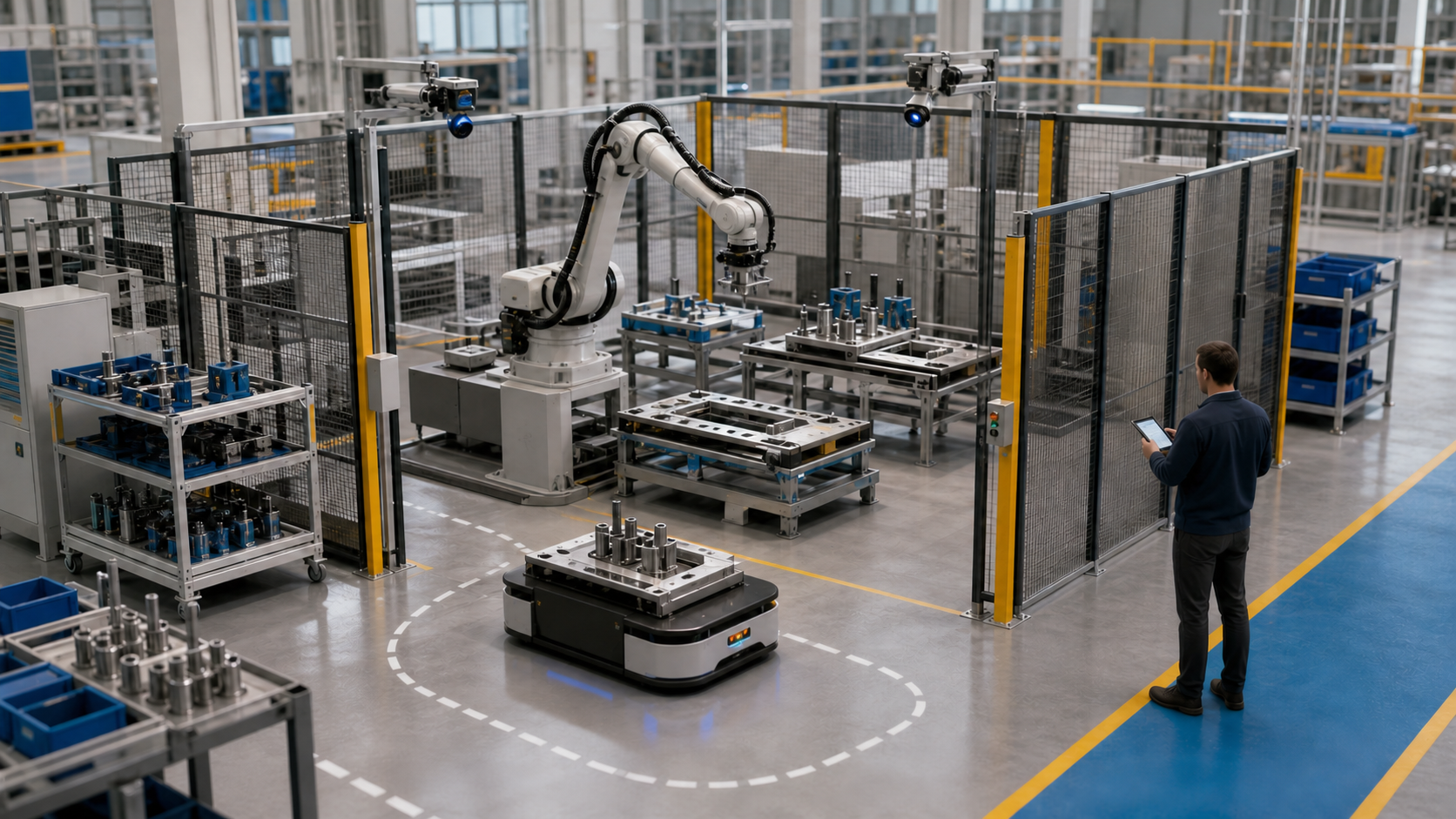
문제 범위는 운전석이 아니라 전체 haul cycle이다
광산 haul cycle은 dispatch, empty travel, queue, loading, loaded travel, dump, fuel·charge와 maintenance로 이어진다. truck autonomy가 travel을 안정화해도 shovel queue와 crusher·dump bottleneck이 남으면 tonnes/hour는 늘지 않는다. site KPI는 cycle-time distribution, queue, utilization, intervention과 safety event를 함께 본다.
Caterpillar Command for hauling 공식 페이지는 roads, intersections, staffed·autonomous equipment와 maintenance routing을 site-level system으로 설명한다. 회사는 최대 30% productivity, 최대 20% cost benefit을 제시하지만 대상 mine, 기간, baseline과 독립 검증이 페이지에 충분히 공개되지 않은 vendor claim이다.
광산별로 ore body, road grade, weather·dust, fleet make와 labor·regulation이 다르다. 공급사 최대치를 business case에 넣지 말고 기존 shift의 tonne-km, queue, speed restriction, downtime과 incident를 기준선으로 수집한다.
전통 방식은 사람 운전자와 dispatch가 예외를 흡수했다
기존 fleet에서는 driver가 local obstacle, poor road, loader signal과 unusual traffic을 보고 대응하고 dispatcher가 radio와 fleet management로 순서를 바꾼다. 유연성은 높지만 shift·operator별 편차, fatigue와 위험 exposure가 있다. 데이터가 fragmented하면 delay 원인과 road condition을 일관되게 분석하기 어렵다.
신규 truck을 사지 않고도 collision avoidance, fleet management와 remote support를 단계적으로 도입할 수 있다. 모든 site가 full autonomy로 바로 가야 하는 것은 아니다. staffing, safety problem과 asset life에 따라 assisted, remote, autonomous 단계의 조합이 달라진다.
수동 방식의 숨은 자산도 인정해야 한다. 경험 많은 driver가 암묵적으로 처리한 wet road, tire issue와 ambiguous right-of-way를 automation requirement로 바꾸는 데 시간이 든다. 사람 제거를 전제로 시작하기보다 exception taxonomy와 safe operating envelope를 먼저 문서화한다.
새 방식은 site supervisor와 machine autonomy를 계층화한다
AHS에서는 site supervisor가 route·zone·priority와 operating rule을 관리하고 각 truck이 localization, obstacle response와 motion을 수행한다. loader·dump, light vehicle와 maintenance area가 shared map과 right-of-way를 사용한다. central dispatch가 모든 motor command를 직접 보내는 구조로 단순화하지 않는다.
Caterpillar의 2026 CONEXPO 공식 자료는 30년 autonomy 경험과 site-level portfolio를 강조한다. 이는 2026년 공급사 발표이며 특정 mine의 retrofit ROI나 mixed-fleet acceptance를 독립적으로 검증한 논문이 아니다.
road closure, blast, weather와 machine fault가 생기면 supervisor가 map·mission을 갱신하고 affected fleet를 safe state로 전환한다. change가 여러 truck에 동시에 퍼지므로 승인, simulation·shadow run과 rollback이 중요하다. 한 대의 software bug보다 site-wide configuration error의 blast radius가 클 수 있다.
두 방식이 공유하는 물리 구성요소
truck, tire, brake, powertrain, road, loader와 dump는 자율화 뒤에도 남는다. maintenance quality, road grading·watering과 payload discipline이 나쁘면 autonomy software가 throughput을 구해 주지 못한다. physical asset health와 autonomy availability를 별도 지표로 관리한다.
신규·retrofit 모두 localization infrastructure, communication, control room, map operations, safety process와 trained personnel이 필요하다. 기존 truck은 steering·braking interface, sensor mounting·power와 diagnostic compatibility를 더 확인한다. conversion 중 downtime과 remaining asset life가 economics를 좌우한다.
혼합 fleet에서는 staffed vehicle의 position·intent가 system에 신뢰성 있게 들어가야 한다. visitor·contractor vehicle, grader, water truck과 emergency response를 포함한다. transponder나 route rule을 지키지 않는 actor가 있을 때 autonomous fleet가 어떻게 감속·정지하고 production을 회복하는지 시험한다.
실패 모드는 사람 운전과 site autonomy에서 다르게 나타난다
수동 fleet는 fatigue, distraction, inconsistent speed와 communication error가 위험이다. autonomy는 sensor degradation, localization·map mismatch, network partition, shared rule error와 fleet-wide software update가 새로운 failure mode다. incident 건수만 비교하지 말고 exposure·fleet hours와 severity, near miss·safe stop을 같은 정의로 센다.
over-conservative behavior도 실패다. 먼지·rain·unknown obstacle 때문에 truck이 자주 멈추면 안전하지만 production이 무너지고 staffed vehicle가 주변에서 예상 밖 maneuver를 할 수 있다. false stop, remote intervention, queue propagation과 recovery time을 site KPI에 포함한다.
retrofit은 legacy interface failure가 추가된다. actuator response, brake performance, diagnostic signal과 sensor mount가 model별·age별로 달라질 수 있다. representative truck 한 대의 성공을 fleet 전체로 확대하기 전에 model·year·condition별 acceptance를 층화한다.
선택 경계는 남은 수명과 site change capacity다
신규 autonomous-ready truck은 integrated design, warranty와 support가 단순할 수 있지만 capital과 delivery가 크다. retrofit은 기존 자산을 활용하지만 conversion downtime, heterogeneous interface와 residual life 위험이 있다. 두 옵션을 purchase price가 아니라 accepted tonne 당 lifecycle cost로 비교한다.
- 기존 fleet의 tonne-km, queue, utilization, incident·intervention과 maintenance를 같은 기간으로 고정한다.
- 신규·retrofit 모두 network·map·control room·training·road·support 비용을 포함한다.
- retrofit은 truck model·year·brake·actuator·diagnostic별 eligible fleet와 remaining life를 확인한다.
- mixed staffed·autonomous traffic, network loss, map error와 site-wide rollback을 실물 acceptance로 시험한다.
- vendor 최대 30%·20% 주장은 자사 baseline에 적용하지 않고 company claim으로 유지한다.
- pilot success 뒤에도 shift·weather·road·payload variation과 full-fleet queue effect를 재검증한다.
Caterpillar mining Command 공식 페이지는 solution portfolio의 출발점이다. 도입 결정은 target mine의 fleet compatibility와 local regulation, site integrator·support SLA로 닫는다. 남은 수명이 짧거나 site map·traffic discipline을 유지할 조직이 없다면 단계적 assistance가 더 합리적일 수 있다.
독자가 이어서 묻는 질문
AHS 다음에 함께 이해해야 할 개념은 무엇인가요?
‘site-level autonomy assurance’를 함께 봐야 한다. 개별 truck sensor·planner뿐 아니라 shared map, route·right-of-way, mixed vehicle identity, network partition, control-room change와 fleet-wide rollback을 하나의 safety·operations case로 검증하는 개념이다. 생산 KPI도 truck speed보다 queue·accepted tonnes·intervention·recovery를 site 분모로 측정한다.
자료 마지막 확인: 2026년 8월 26일