Built Robotics는 일반적인 굴착기 자율화 회사가 아니라 태양광 건설의 반복 병목인 pile installation을 productized system으로 묶는 기업이다. RPD 35는 survey 기반 위치 결정, pile distribution, driving과 as-built data를 이어 가고 RPS 25는 pile을 안정화해 작업 흐름을 보조한다. 공식 수치는 장비 configuration 사양과 회사 성능 설명이며 실제 처리량·수직도는 지반, pile 규격, 측량 품질과 site safety에 따라 다시 인수시험해야 한다.
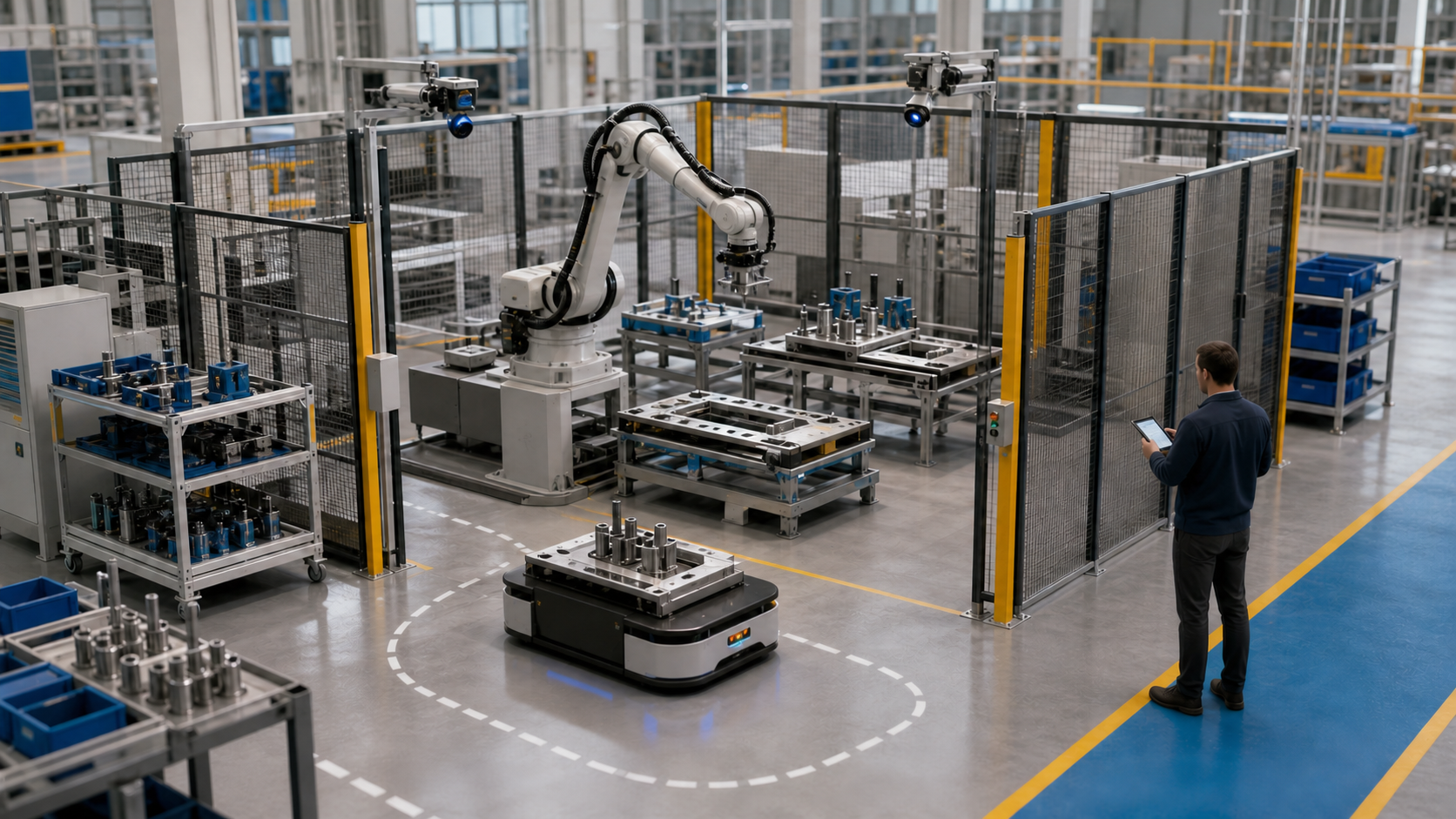
회사의 정체성은 자율 pile-driving workflow에 있다
Built Robotics의 solar piling solution은 RPD 35를 survey, distribute, drive, data의 네 단계로 설명한다. robot 한 대의 autonomous driving보다 pile delivery와 alignment, hammering, quality record를 연속 공정으로 묶는 것이 차별점이다. RPS 25는 pile stabilizer로서 RPD가 pile을 취급·항타하는 동안 안정화 역할을 한다.
공식 기술 사양 PDF는 최대 224개 pile configuration 등 product parameter를 제시한다. 실제 주문형식, pile length·weight, grade와 현장 조건별 limit를 exact configuration에서 확인해야 한다. max capacity를 한 shift의 설치량으로 읽지 않는다.
Built가 제공하는 automation은 site work를 모두 무인화하는 것이 아니다. pile logistics, refill, exception clearing, machine inspection, survey control과 safety perimeter에 사람·다른 장비가 남는다. 어느 역할이 줄고 어느 역할이 supervisor·maintenance로 바뀌는지 workflow별로 기록한다.
가치사슬은 설계 좌표에서 품질 기록까지 닫힌다
태양광 EPC의 upstream에는 layout·survey와 pile specification이 있고 downstream에는 racking·module installation이 있다. RPD system은 그 중 pile 위치·배치·항타와 as-built를 연결한다. 좌표가 정확해도 ground refusal이나 pile damage가 생길 수 있고, 항타가 끝나도 height·plumb가 downstream tolerance를 넘으면 재작업이 필요하다.
| 항목 | 공식 자료로 확인 | 현장에서 다시 확인 |
|---|---|---|
| 공정 | survey·distribute·drive·data 네 단계 | site logistics·refill·exception의 실제 owner |
| RPD 35 | 자율 pile-driving product | soil·slope·pile별 cycle·availability |
| RPS 25 | pile stabilizer 역할 | setup·relocation과 사람 접근 조건 |
| capacity | 공식 사양의 최대 pile 구성 | shift installed piles·refill·downtime |
| quality | height·plumb·as-built 기능 설명 | project tolerance·rework·survey audit |
| safety | geofence·detection 등 회사 설명 | site risk assessment·stop/recovery result |
가치가 생기는 지점은 downstream rework를 줄이는 것이다. 항타 속도만 높여 pile이 기울거나 잘못된 좌표에 들어가면 rack team의 비용이 커진다. 따라서 RPD의 KPI는 piles/hour와 함께 초회 height·plumb 합격, re-drive, extraction과 as-built completeness를 포함한다.
제품과 고객은 태양광 EPC의 일정 리스크를 공유한다
직접 고객은 utility-scale solar contractor와 EPC, pile installation을 맡는 specialty contractor가 될 수 있다. 고객의 pain point는 labor만이 아니라 짧은 project window, 반복 품질, crew safety와 as-built documentation이다. site 규모가 작거나 pile variation이 매우 크면 mobilization과 setup 비용이 automation 편익을 넘을 수 있다.
RPD와 RPS를 평가할 때 plot을 ground condition과 pile family로 층화한다. 쉬운 flat soil에서 얻은 최고속도를 rock, slope와 mixed pile에 적용하지 않는다. ground refusal, bent pile, survey mismatch와 material shortage를 exception code로 남기고 사람이 개입한 시간을 포함한다.
customer acceptance는 downstream rack installation까지 본다. pile top elevation·plumb의 sample survey, coordinate readback와 as-built export를 EPC system과 대조한다. 장비 가격과 현장 지원비를 분리하는 기준은 Agility Digit 상용 배치 분석과 같은 방식으로 적용한다. machine 자체 dashboard가 완료를 표시한 것과 independent survey acceptance를 구분한다.
수익 모델은 장비 판매 외 서비스·software를 확인해야 한다
공식 공개 페이지는 product와 solution을 설명하지만 표준 가격표, 판매·임대·service 비중과 recurring software 조건을 모두 공개하지 않는다. 도입자는 hardware purchase 또는 project·rental형 quote, mobilization, software·support, training, spare와 remote assistance를 분리 견적해야 한다.
총비용에는 site preparation, survey integration, pile refill logistics, operator·technician, fuel·energy, maintenance와 downtime을 넣는다. 자동화로 crew가 줄어도 highly skilled supervisor와 field service가 늘 수 있다. spare lead time과 recovery SLA가 critical path에 미치는 비용을 산정한다.
계약은 output guarantee가 있다면 분모를 명확히 한다. piles/hour인지 accepted piles/shift인지, soil·slope·pile 범위와 weather exclusion, rework·human intervention을 어떻게 처리하는지 정한다. vendor 최고 사양을 계약 KPI로 자동 복사하지 않는다.
의존성과 앞으로 볼 위험
첫 의존성은 survey와 digital layout이다. 좌표 reference가 틀리거나 site datum이 drift하면 robot은 정확하게 잘못된 위치를 반복할 수 있다. control point verification과 independent spot survey를 정기적으로 수행한다. network가 끊겨도 last approved plan과 local safety가 유지되는지 시험한다.
둘째는 pile logistics다. RPD가 빨라도 pile bundle을 제때 refill하지 못하거나 RPS 이동이 따라오지 못하면 대기한다. storage yard, haul path와 refill crew를 포함한 whole-system takt를 설계한다. RPD 단독 cycle을 fleet throughput으로 표현하지 않는다.
셋째는 ground·weather와 service다. refusal와 pile damage, mud·dust, slope와 temperature가 sensor·mobility·hammer에 영향을 준다. manual fallback과 damaged pile 처리, remote·onsite support의 response를 계약한다.
위험을 추적할 실제 watchlist
- RPD·RPS의 ordered configuration, pile range와 site environmental limit를 공식 사양으로 고정한다.
- survey datum·coordinate와 as-built를 independent sample로 대조한다.
- piles/hour가 아니라 accepted piles/shift, height·plumb, rework와 downstream impact를 센다.
- refill·stabilizer·사람 exception까지 포함한 전체 takt와 intervention을 기록한다.
- ground refusal·slope·weather별 performance와 manual fallback cost를 분리한다.
- 가격·service·software·mobilization·spare·exit를 quote와 SLA에서 확인한다.
후속 제품 발표에서 max pile count나 최고속도보다 configuration coverage와 exception handling을 본다. RPD와 RPS가 서로의 대기시간을 줄였는지, site-to-site mobilization과 commissioning이 반복 가능해졌는지가 규모화의 핵심이다.
Built의 주장은 도입 가설로 충분히 구체적이지만 buyer acceptance는 현장 data로 닫아야 한다. machine autonomy가 EPC schedule·quality·safety에 실제로 전달되는지 end-to-end로 확인한다.
독자가 이어서 묻는 질문
RPD 35·RPS 25의 실제 고객은 누구로 봐야 하나요?
utility-scale solar EPC, pile installation contractor와 대규모 반복 항타 공정을 가진 project가 핵심 대상이다. 다만 공식 제품 페이지가 개별 계약·가격·project KPI를 모두 공개하지는 않는다. 고객은 site 규모, soil·pile variation, mobilization과 local support를 기준으로 pilot scope를 정해야 한다.
상용 확장 증거로 어떤 수치를 봐야 하나요?
여러 project의 installed가 아니라 accepted piles/shift, height·plumb 초회 합격, refusal·rework, machine·system uptime, human intervention, mobilization·commissioning 시간과 safety result를 같은 정의로 봐야 한다. RPD cycle만이 아니라 RPS·refill·survey·downstream rack 작업까지 포함해야 실제 규모화가 보인다.
자료 마지막 확인: 2026년 8월 26일